Understanding Management Consulting
Management consulting involves advising organizations on how to improve their performance through the analysis of existing business problems and the development of plans for improvement. Consultants leverage their expertise to provide insights that help businesses streamline operations, enhance productivity, and drive growth.
For example, management consultants may analyze a company's operational processes to identify inefficiencies or recommend strategic initiatives that align with the organization's goals. By implementing best practices and innovative solutions, businesses can achieve sustainable competitive advantages in their respective markets.
Emerging Trends in Cybersecurity
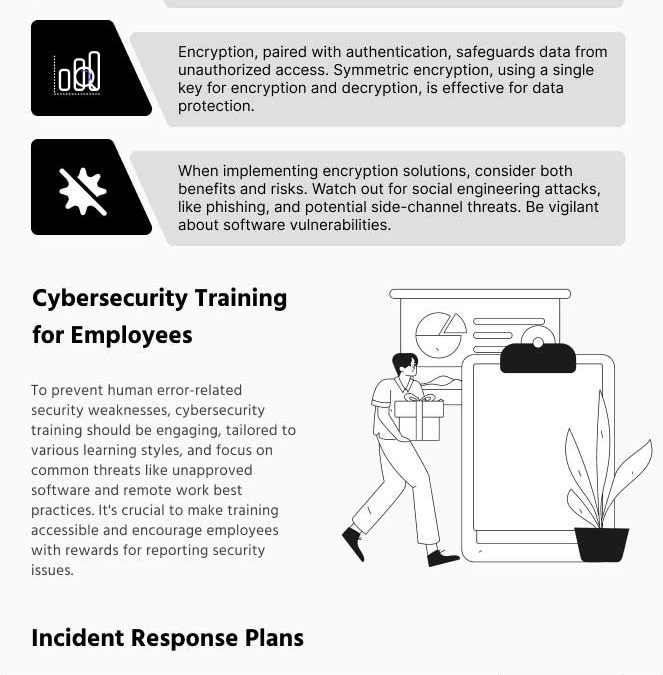
As cyber threats evolve, staying ahead of potential risks is crucial for businesses. Emerging trends in cybersecurity include the adoption of artificial intelligence for threat detection, zero trust security models, and the increasing importance of data privacy regulations. Organizations must adapt to these trends to safeguard their digital assets effectively.
For instance, the integration of AI in cybersecurity allows for real-time monitoring and response to threats, significantly reducing the chances of data breaches. Additionally, companies are now focusing on educating employees about cyber hygiene practices to mitigate human error, which is often the weakest link in security protocols.
Leveraging Blockchain for Business Efficiency
Blockchain technology provides a decentralized and secure method for recording transactions, which can significantly enhance business efficiency. By utilizing blockchain, organizations can improve transparency, reduce fraud, and streamline processes across various sectors, including supply chain management and finance.
For example, companies can use blockchain to track the provenance of goods in the supply chain, ensuring authenticity and reducing the risk of counterfeit products. Furthermore, smart contracts on blockchain platforms can automate agreements between parties, minimizing the need for intermediaries and expediting transaction processes.
The Role of Big Data in Strategic Decision Making
Big data analytics plays a pivotal role in modern strategic decision-making by providing organizations with actionable insights derived from vast amounts of data. Companies can harness big data to understand customer behavior, market trends, and operational efficiencies, leading to informed business strategies.
For instance, retailers can analyze customer purchase patterns to optimize inventory management and personalize marketing efforts. By leveraging big data tools, businesses can not only enhance their decision-making processes but also drive innovation and improve overall performance in a competitive landscape.